I went to Kesennuma City!
Hello everyone! I’m Haru Takahashi from the 8th cohort, and I play the cello!
On Sunday, September 27th, we visited the Kesennuma City Great East Japan Earthquake Memorial Museum. I’d like to share a report on our visit! Please read on to the end.
The Tohoku Youth Orchestra held a special volunteer concert in Kesennuma back in 2023. During that trip, we visited various disaster-affected areas—not just the memorial museum—and learned about the reality of Kesennuma City, from the time of the disaster to the present day. While only a select group of volunteers participated back then, this time a larger number of members gathered to take part in the training session at the museum!
On the day of the trip, we gathered at Sendai Station from all over the country and set off for Kesennuma by bus! Apparently, the earliest arrivals took a Shinkansen that left at 6:02 AM to get to Sendai. I was still fast asleep at that time... (haha).
On our way to Kesennuma, we stopped for lunch at the "Minamisanriku Sun Sun Shopping Village," a place that had been incredibly supportive during our past volunteer concerts!
I also asked Satoka Ishikawa (3rd cohort, flute)—who had participated in two of those volunteer concerts—for her thoughts on visiting the area again after so long!
〇 Satoka’s Impressions
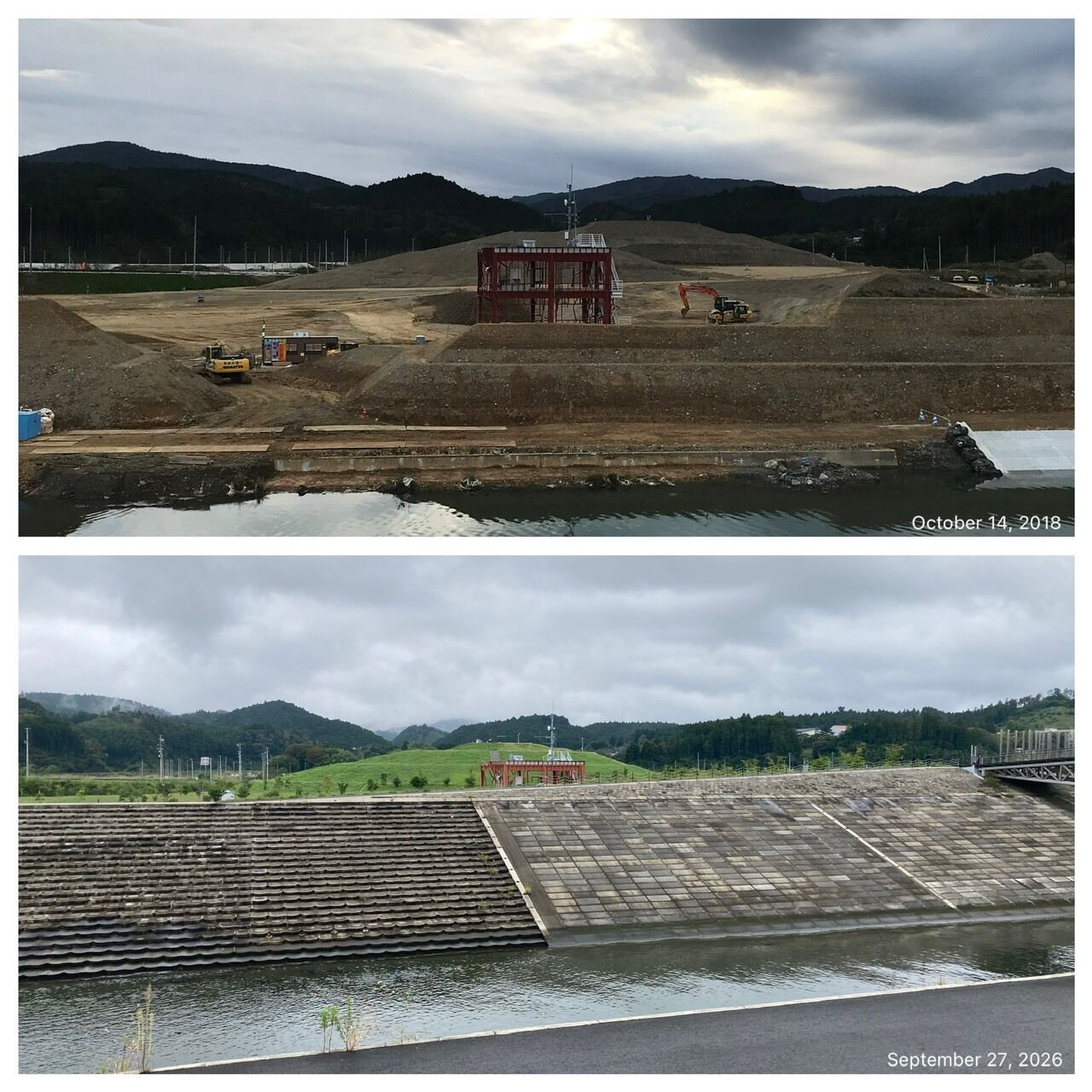
It was my first time visiting Minamisanriku Sun Sun Shopping Village since the volunteer concert held during the orchestra’s fourth term. I felt that the reconstruction efforts had definitely progressed. For example, the roads that were covered with gravel eight years ago had been paved with asphalt, and new buildings had been constructed that did not exist at the time.
Minamisanriku Sun Sun Shopping Village is a very memorable place for me because the first volunteer concert I participated in after joining the Youth Orchestra was held there. For that reason, I was very happy to be able to visit the area again this time together with many members of the orchestra.
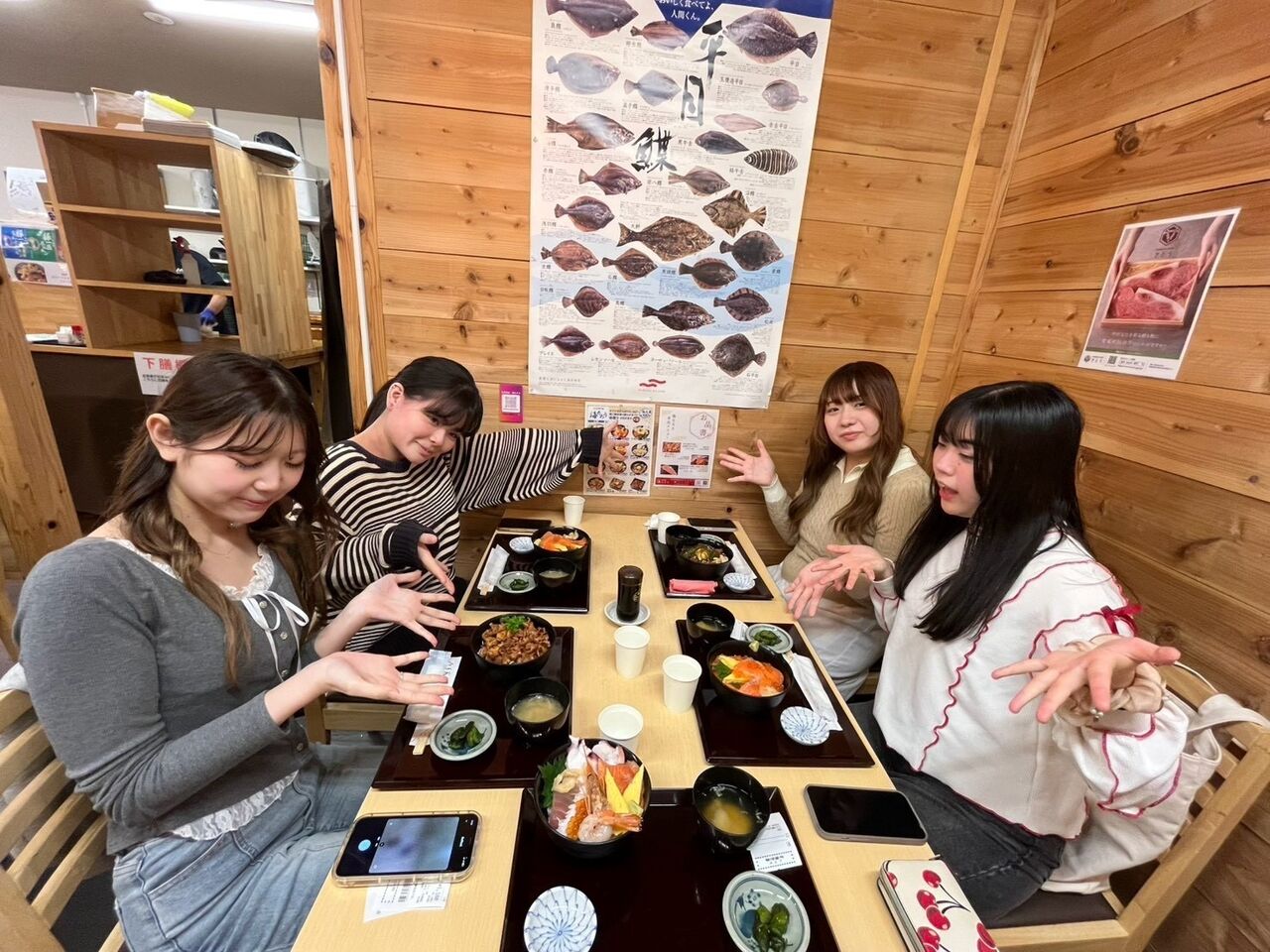
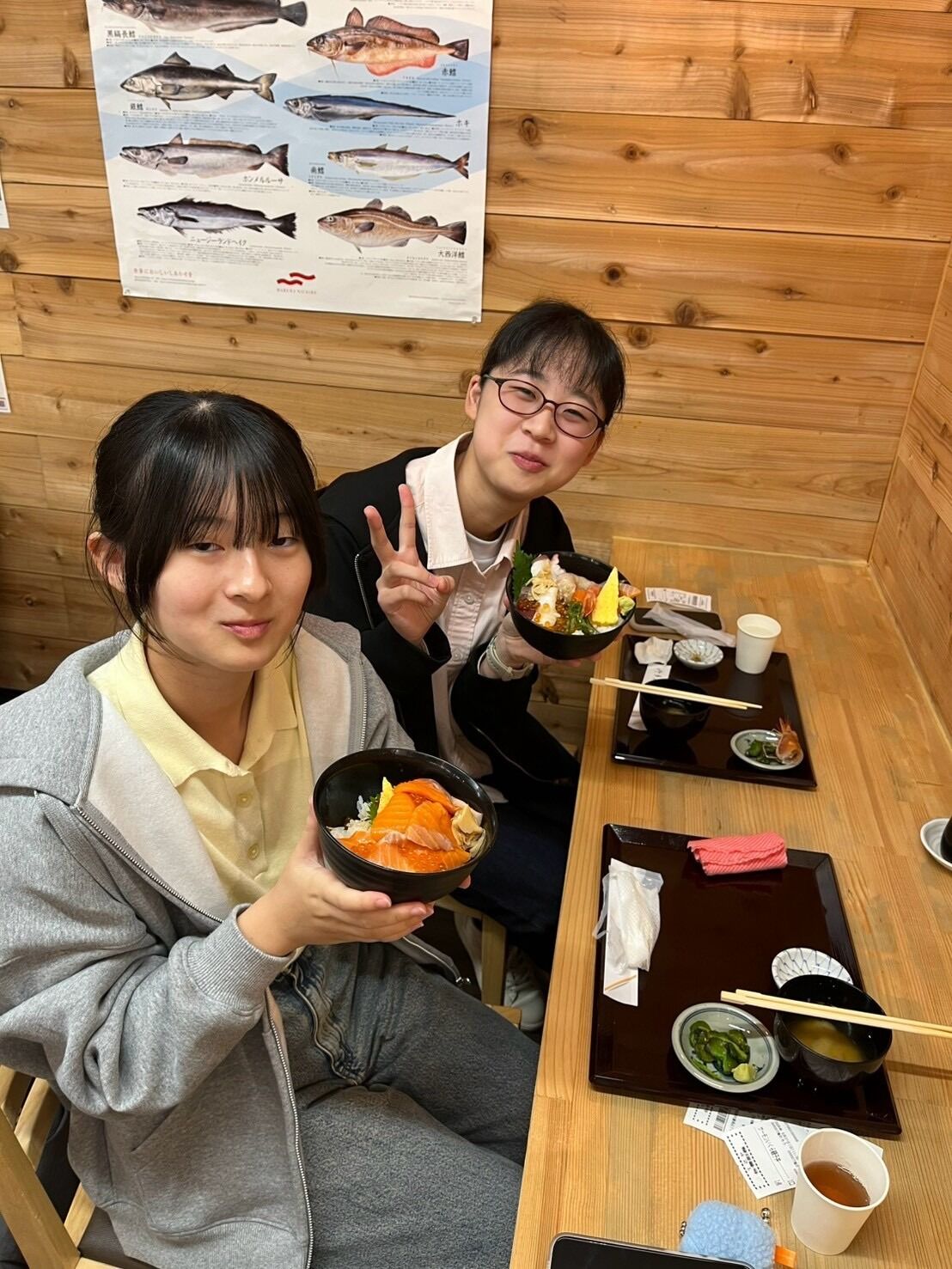
The shopping village was full of appealing shops, including places serving seafood rice bowls where you could pick your own toppings, and others that were super enthusiastic about promoting octopus! Captain Okuyama, a huge seafood lover, had been agonizing over what to eat since the day before; she looked so happy to finally enjoy her favorite *mirugai* (geoduck clam)!!
Right next to the shopping village was the "Minamisanriku 311 Memorial," a facility dedicated to preserving the history of the disaster. We couldn't stop by this time due to schedule constraints, but it’s a place I definitely want to visit at least once while I’m still a student. After finishing lunch, we set off once again!
It takes about an hour and a half by car to travel from Minamisanriku to Kesennuma City. I vaguely remembered the route to Kesennuma, and the journey brought back a sense of nostalgia.
Upon arriving at the memorial center, we were warmly welcomed by familiar faces. It was a delight to reunite with the storytellers who had so clearly explained the events of the disaster during my previous visit.
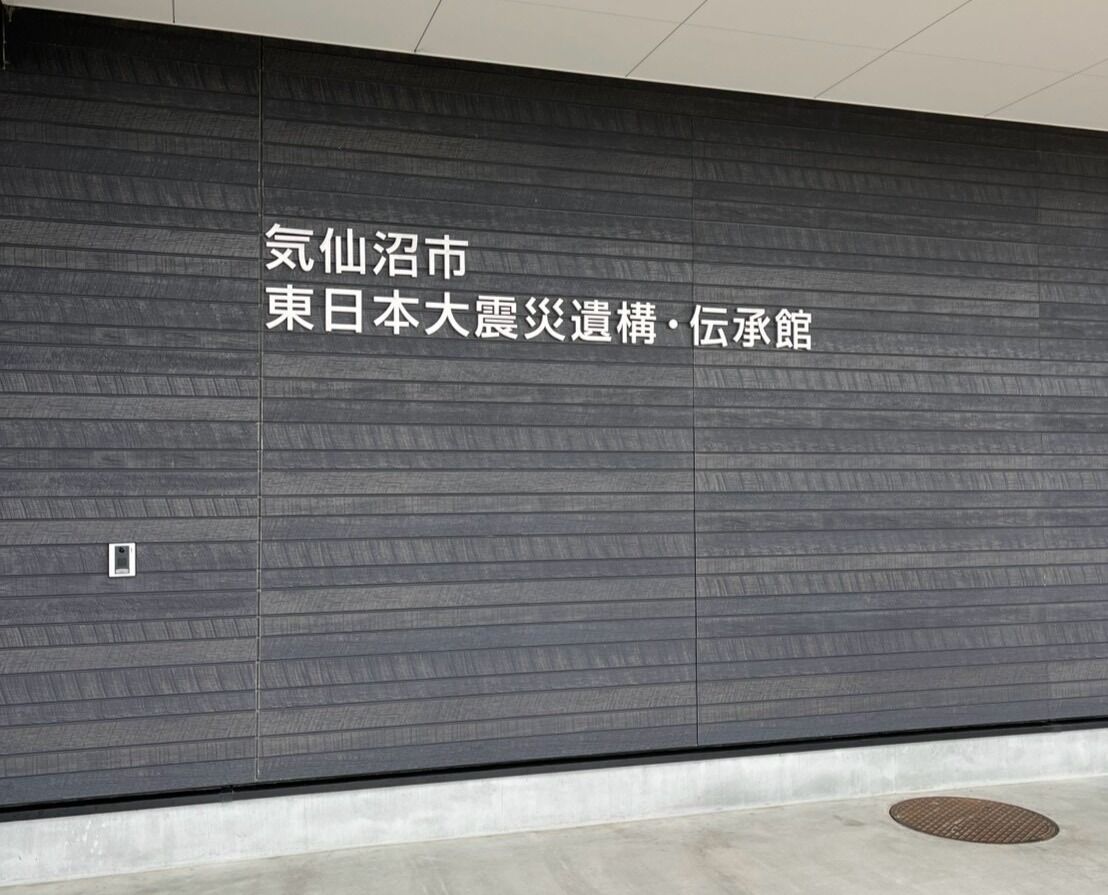
We split into four groups to listen to the storytellers share their experiences. Here, I would like to share a story that left a particularly strong impression on me.
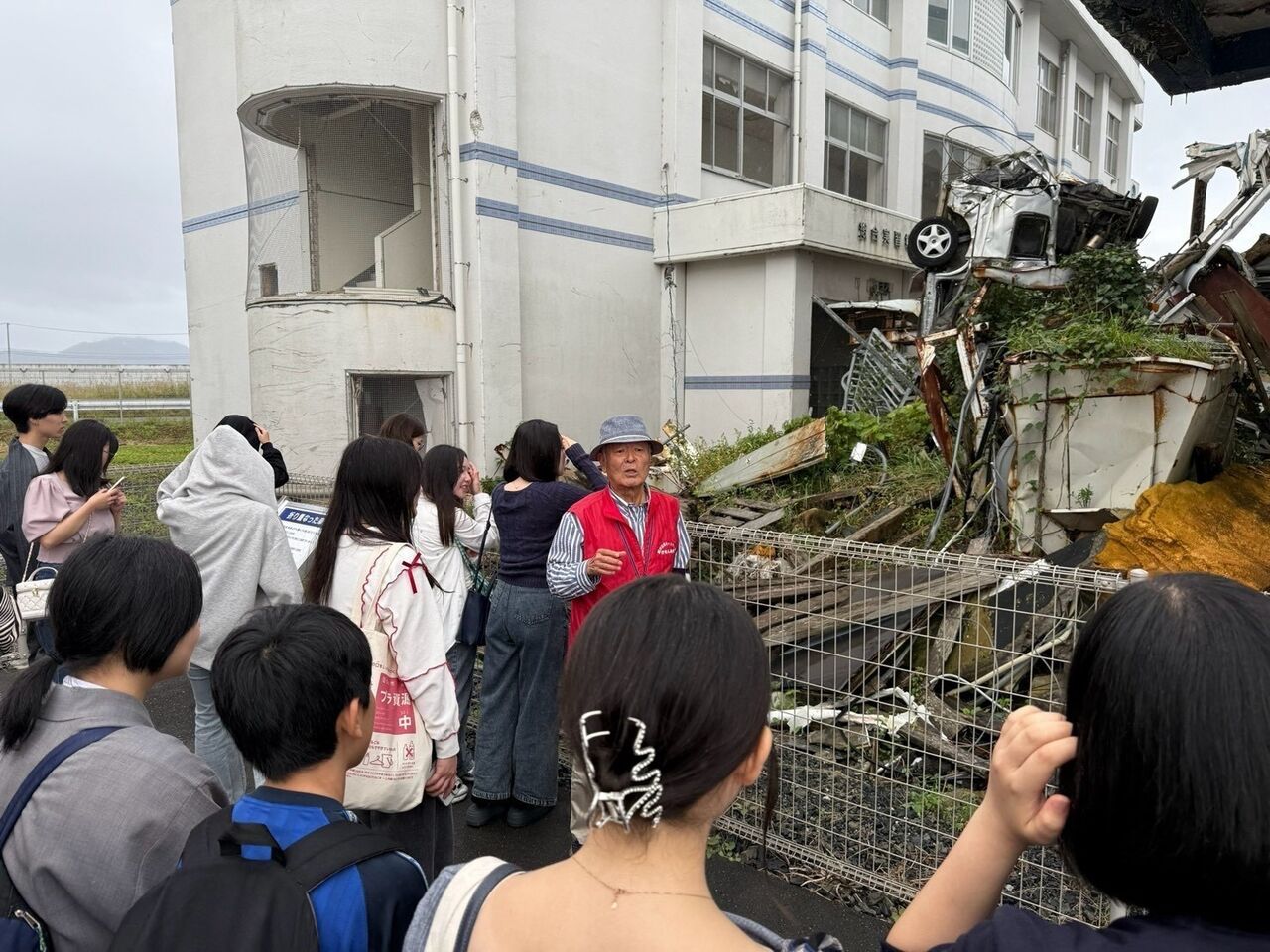
The Hashikami district, where the memorial center is located, sits on reclaimed land at a very low elevation; consequently, thorough evacuation drills were regularly conducted there. At the time of the disaster, students in their first and second years at Miyagi Kesennuma Koyo High School were engaged in club activities, just before their end-of-term ceremony. Thanks to their routine training, the students—though shaken—were able to follow their teachers' instructions and act decisively, allowing everyone to evacuate safely. It was a remarkable story that highlighted the importance of drills and offered valuable lessons for future disaster preparedness.
On the other hand, are you familiar with the "Suginoshita district," which can be seen from the rooftop of Koyo High School?
This district had suffered severe damage from major tsunamis in the past, and the local community possessed a very high level of disaster awareness. On the day of the disaster, the residents of Suginoshita consulted with one another and evacuated to high ground—a location deemed absolutely safe based on their past experiences. However, that high ground—situated 13 meters above sea level—was engulfed by a tsunami reaching 18 meters, far exceeding expectations, and tragically claimed the lives of approximately 60 people who had sought refuge there.
"There is no such thing as 'absolutely safe.' Evacuate further away and to higher ground." I feel that the residents of the Suginoshita district taught us this vital lesson through their own heartbreaking experience. When I visited Kesennuma City in 2023 for a volunteer concert, I actually walked up to that high ground. It was the kind of place that made me think, "With this much elevation, it should be safe." Standing there, I keenly felt just how far beyond expectations the Great East Japan Earthquake's tsunami had been; at the same time, I realized how difficult it is to truly imagine the terror of such a massive tsunami, even when standing at the actual site. I still vividly remember the sense of bewilderment I felt, thinking, "To imagine a wave even higher than this..."
At the memorial museum, one can also learn about various scenarios regarding the disaster—such as an elderly woman who immediately began evacuating with her son, or someone who returned home from work—heading toward the sea—out of concern for their family.
Hearing these stories made me realize—just as the storytellers themselves emphasized—that the most important thing is to remain conscious of earthquakes and tsunamis in our daily lives and, above all, to start evacuating as quickly as possible.
I was a second-grade elementary school student at the time of the disaster. By chance, school had ended early that day, and the disaster struck just minutes after I arrived home. Although we suffered material damage—such as furniture toppling over and dishes breaking—fortunately, our home did not lose electricity or running water. At the time, my only lasting impression was simply that the earthquake had been scary; I was so unaware of the situation that I even played outside with friends the day after the nuclear accident without knowing it had happened. Consequently, I had little real sense of having lived through the disaster.
That is why, when I first visited Kesennuma City in 2023, I felt conflicted and even guilty, wondering if it was right for someone like me to be involved with the Tohoku Youth Orchestra in an effort to keep the memory of the disaster alive. However, both during that previous visit and this training session, the storytellers urged us: "Please share what you have learned here with the outside world to raise disaster awareness and help save as many lives as possible."
I will be graduating from the Tohoku Youth Orchestra at the end of this term. In the time I have left, I want to participate in as many concerts as possible and help share the lessons and sentiments of the Great East Japan Earthquake through the Youth Orchestra. I also hope to deepen connections with younger members who were not yet born when the disaster struck, and to do my utmost to ensure this orchestra continues into the future.
The Tohoku Youth Orchestra has entered a new phase this season. We will work even harder in our rehearsals so that we can share wonderful moments with all of you who support us at our upcoming concerts.
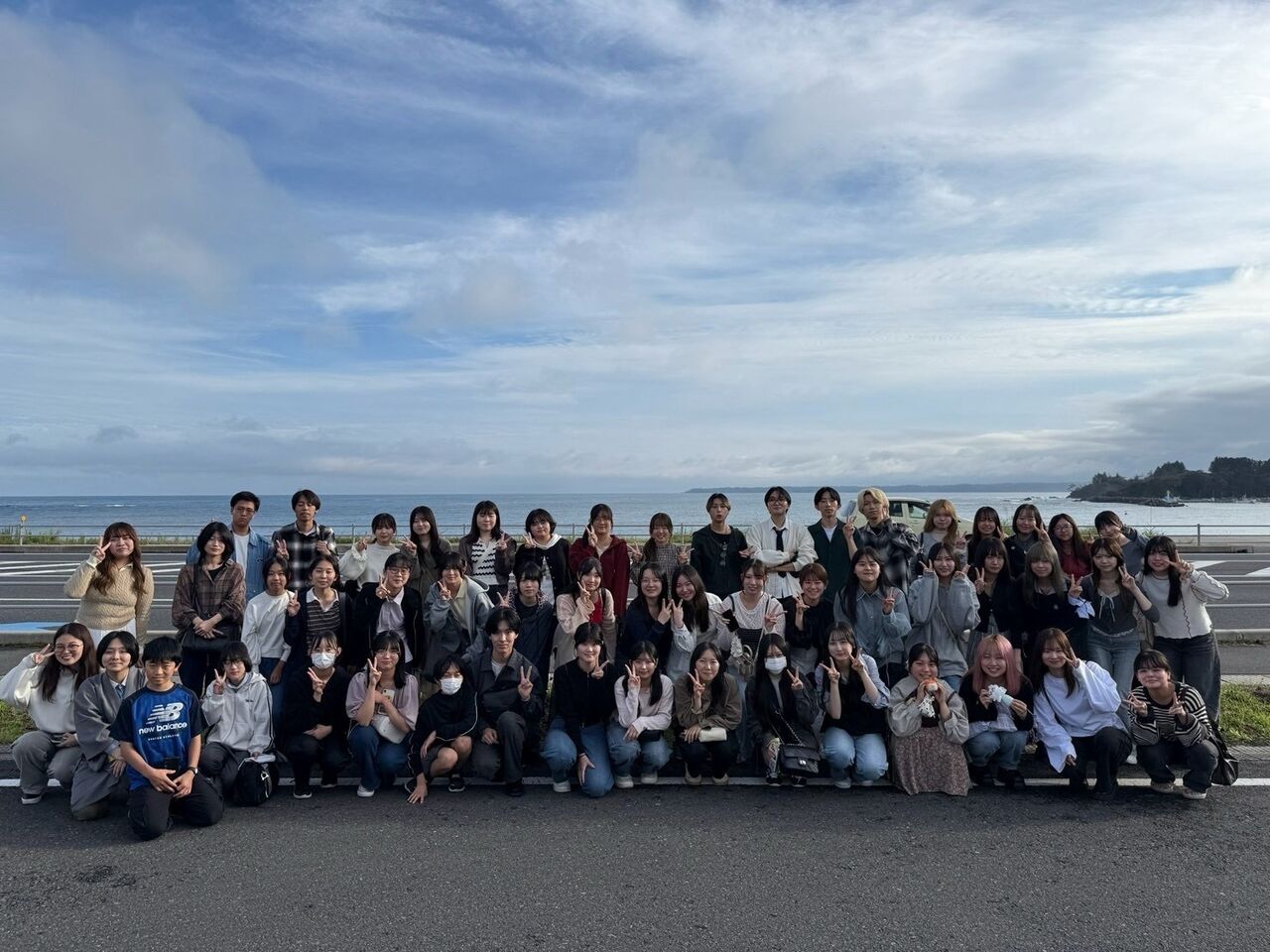
Thank you for reading to the end!
Stay tuned for the next member report!